Japan and Australia Reject Trump’s Proposal to Protect Shipping in Strait of Hormuz
Lifeinmena, Washington, D.C. — Japan and Australia have declined a proposal by U.S. President Donald Trump to join a multinational effort aimed at securing commercial shipping in the strategic Strait of Hormuz, a key maritime corridor for global energy supplies.
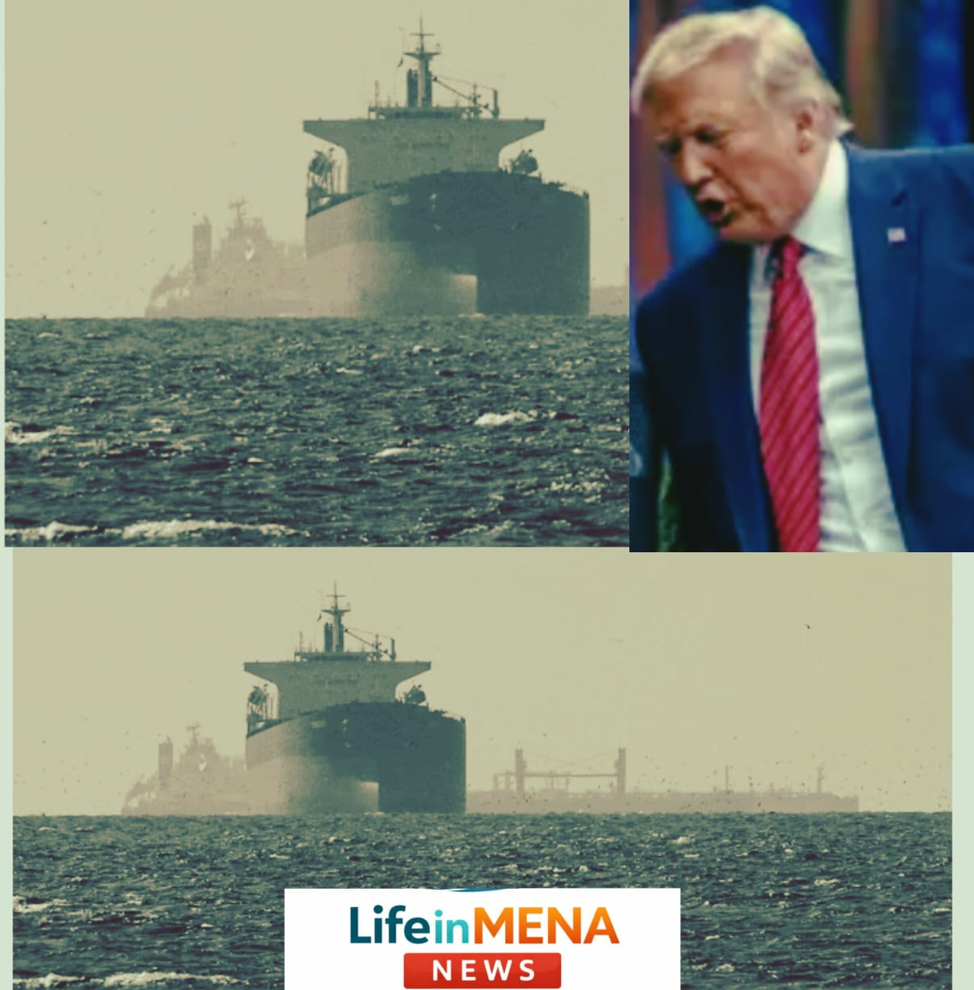
Japan and Australia Reject Trump’s Proposal to Protect Shipping in Strait of Hormuz
Both countries said they currently have no plans to deploy naval vessels* to the region, despite rising tensions in the Middle East amid the ongoing conflict involving Iran.
Speaking in Tokyo on Monday, the Japanese government led by Prime Minister Sanaa Takaichi clarified that no decision has been made to send military ships to the Middle East. Officials said the issue remains sensitive due to Japan’s pacifist constitution, which places strict limits on overseas military deployments.
We have not made any decision to dispatch ships,” Takaichi told parliament, adding that the government is studying what actions Japan could legally take within its constitutional framework.
Australia also signaled it would not be joining the proposed security initiative for now. A minister in the government of Prime Minister Anthony Albanese said Canberra had not received a direct request from Washington to send naval assets and had *no immediate plans to deploy ships* to the region.
The discussion comes as tensions in the Middle East continue to escalate following the conflict between Iran and a coalition led by the United States and Israel, which has now entered its third week. The fighting has raised concerns about the stability of global energy markets and the security of key maritime routes.
The Strait of Hormuz is one of the world’s most critical oil transit chokepoints, with roughly *20% of global oil supply* passing through the narrow waterway each day. Any disruption to shipping in the strait could have significant consequences for international energy markets and global trade.
President Trump on Sunday urged major economies dependent on Middle Eastern oil to take a more active role in protecting the shipping lanes. Speaking to reporters, he said countries such as China, France, Japan, South Korea and the United Kingdom should contribute to securing the strait.
According to Trump, Washington has already contacted seven countries about participating in a joint security effort, although he did not disclose the full list of nations involved in the discussions.
At the same time, the U.S. president has also increased pressure on China, signaling that cooperation on the issue could influence future diplomatic engagements. Trump suggested that if Beijing does not assist in efforts to keep the strait open, he could reconsider plans for a potential visit to China later this month for talks with Chinese President Xi Jinping.
Meanwhile, European officials are also weighing their options. Foreign ministers from the European Union are expected to discuss strengthening a small naval mission already operating in the Middle East. However, diplomatic sources say an immediate decision to expand security operations directly inside the Strait of Hormuz remains unlikely.
British Prime Minister Keir Stammer has also discussed the situation with President Trump and Canadian Prime Minister Mark Carney, focusing on possible steps to ensure the strait remains open for international shipping.
South Korea, another major importer of Middle Eastern oil, has indicated that it will carefully review the U.S. proposal before making any decision on potential involvement.
Analysts say the response from Washington’s allies highlights the political and legal sensitivities surrounding military deployments in the region, particularly at a time when the risk of a broader regional confrontation remains high.
At the same time, the growing tension around the Strait of Hormuz continues to underline the fragile balance between global energy security and geopolitical conflict in the Middle East.