Middle East tensions rise after failed US–Iran talks in Islamabad, Israel reportedly on alert
Lifeinmena- Tensions in the Middle East are rising following the collapse of high-level negotiations between the United States and Iran in Islamabad, according to regional media reports and official statements.
The talks, which were seen as a potential step toward easing months of heightened friction, ended without any agreement. Officials on both sides acknowledged the lack of progress, underscoring the deep divisions that remain over key issues.
In the aftermath of the مذاکرات, Israeli media outlets, including Ynet, reported that Israel has increased its level of military preparedness. Citing unnamed security sources, the reports suggested that Israeli authorities are reviewing contingency plans in case hostilities escalate further. These reportedly include the possibility of renewed large-scale military operations targeting strategic sites within Iran, such as infrastructure and energy facilities. However, no official confirmation of such plans has been issued by the Israeli government.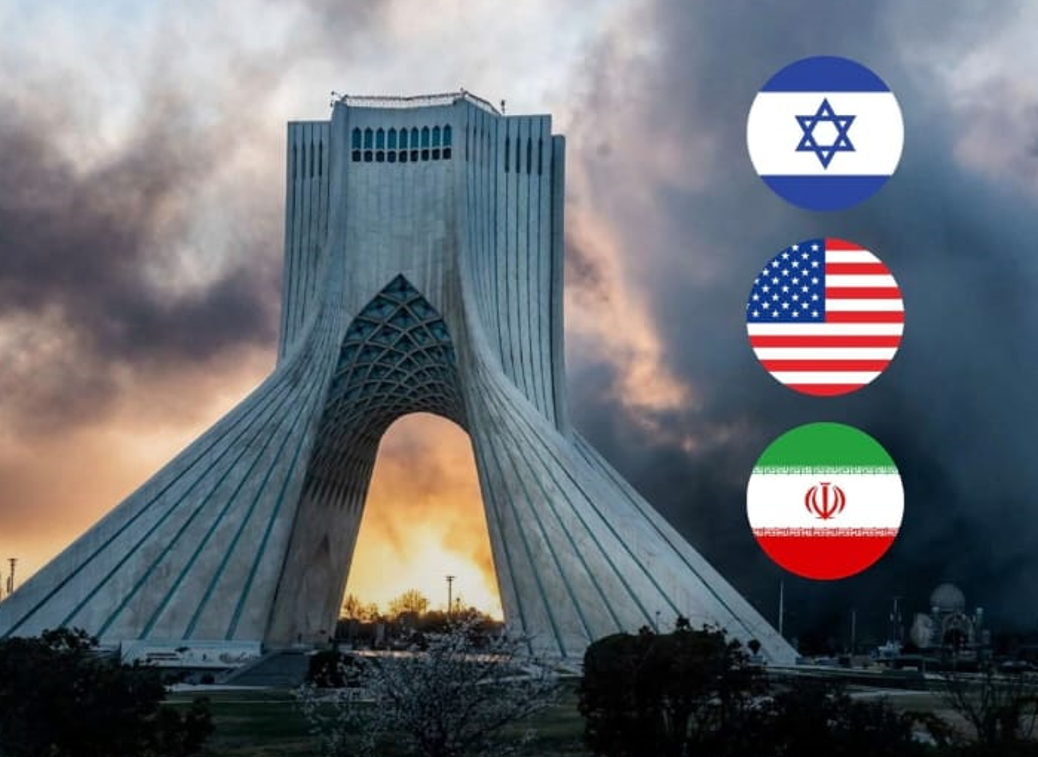
The same reports indicated that coordination between the United States and Israel remains ongoing. According to Ynet, the United States has continued supplying military equipment to Israel via air deliveries, though details regarding the scope, frequency, and contents of these shipments have not been publicly disclosed.
Israeli officials have also signaled that they do not view the current moment as a de-escalation. Yoav Kisch was quoted in local media as saying that the failure of negotiations should not be interpreted as an indication that the conflict is nearing resolution. “We are still in the early stages of the war, and things can move in any direction,” he said, reflecting concerns within the Israeli leadership about the potential for further instability.
From the U.S. side, JD Vance confirmed that the Islamabad talks concluded without a breakthrough. Speaking after the مذاکرات, he emphasized that Washington remains committed to its core demands and would not compromise on what he described as its “red lines.” He added that responsibility for the next steps now lies with Tehran, signaling that the diplomatic path forward remains uncertain.
The failure of the talks has added to an already volatile regional environment. Ongoing tensions involving Iran and Israel, as well as broader geopolitical rivalries, have raised concerns among international observers about the risk of further escalation. Analysts warn that without renewed diplomatic efforts, the situation could deteriorate, potentially affecting not only regional security but also global markets, particularly energy supplies.
For now, the situation remains fluid. While no immediate military action has been confirmed, the combination of stalled diplomacy, heightened military readiness, and increasingly firm rhetoric from all sides suggests that the coming weeks could prove critical in determining whether the region moves toward escalation or renewed attempts at negotiation.
If you want, I can also adapt this into a TV news script, headline variations, or a shorter breaking-news version.